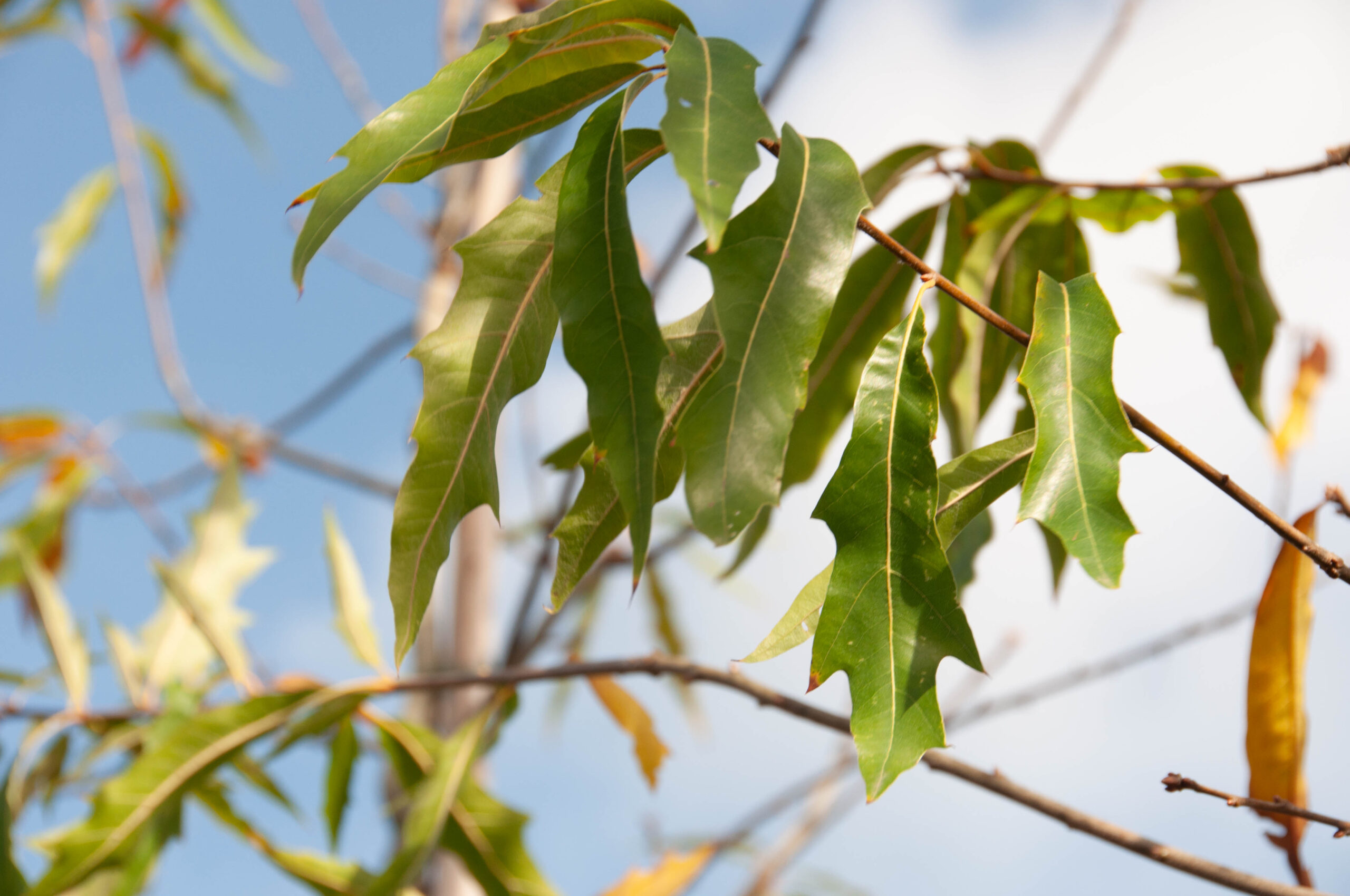
Quercus phellos ‘Latifolia’
Properties
Maximum height
15~25m
Crown shape
Broad, oval, ovate
Crown structure
Dense
Autumn colour
Golden yellow, orange, yellow-green
Flower colour
Golden yellow
Bark or twigs
Black, grey, grooved, smooth later rough
Quercus phellos ‘Latifolia’
Multi-trunk trees
Trees and feathered trees
| Size | Shape | Root condition |
|---|---|---|
|
250-300 cm
|
Multi-stem | Wired rootball |
|
300-350 cm
|
Multi-stem | Wired rootball |
|
350-400 cm
|
Multi-stem | Wired rootball |
|
400-450 cm
|
Multi-stem | Wired rootball |
|
450-500 cm
|
Multi-stem | Wired rootball |
|
500-600 cm
|
Multi-stem | Wired rootball |
| Size | Shape | Root condition |
|---|---|---|
|
8/10 cm
|
High standard | Wired rootball |
|
10/12 cm
|
High standard | Wired rootball |
|
12/14 cm
|
High standard | Wired rootball |
|
14/16 cm
|
High standard | Wired rootball |
|
16/18 cm
|
High standard | Wired rootball |
|
18/20 cm
|
High standard | Wired rootball |
|
20/25 cm
|
High standard | Wired rootball |
|
25/30 cm
|
High standard | Wired rootball |
|
30/35 cm
|
High standard | Wired rootball |
|
35/40 cm
|
High standard | Wired rootball |
|
40/50 cm
|
High standard | Wired rootball |
Properties
Autumn colour
Golden yellow, orange, yellow-green
Bark or twigs
Black, grey, grooved, smooth later rough
Crown shape
Broad, oval, ovate
Crown structure
Dense
Disease resistance
Good
Edible parts
No
Evergreen
No
Flower colour
Golden yellow
Flower period
May
Fruit colour
Brown-green, yellow-brown
Growth rate
Fast
Hardening
Closed, no, open
Hardiness zone
5
Heat-resistant
Yes
Host plant
Birds, butterflies
Leaf colour
Dark green, green, yellow
Leaf shape
Narrow, oblong, shiny, toothed
Leafy
No
Light requirement
Semi-shade, sun
Location
Avenue/square, cemetery, industry, park / large garden, roof garden, street
Maximum height
15~25m
Native to Belgium
No
PH preference
Acidic, basic, neutral
Root system
Extensive, finely branched
Scented
No
Shape
Espalier and screen tree, feathered, high stem, multi-trunk, shade tree, solitary shrub
Soil humidity
Moist, wet
Soil type
Clay, loam, peat, sand, sulphur
Striking bloom
No
Striking fruit
No
Tolerates road salt
Yes
Toxic parts
No
Wind sensitive
No


